A maintained hedge needs its shape restored
A routine maintenance trim is a different scope from reducing years of overgrowth.
Review trimming THEGROUNDSKEEPERS
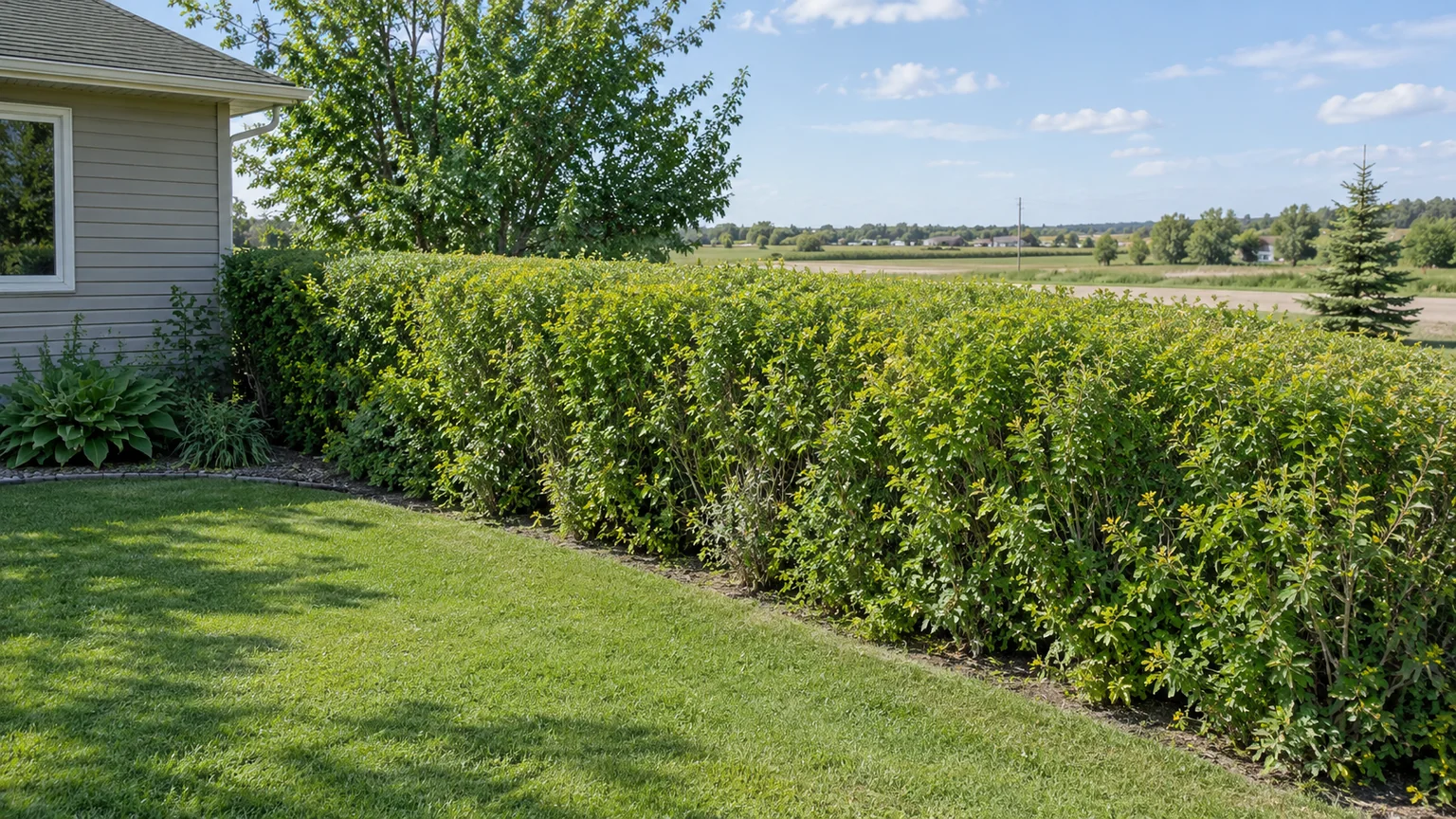
Hedge and shrub care
Shrubs frame the house, soften a fence and give a garden its structure. When growth crowds a walkway or covers a window, a thoughtful trim can make the space feel usable again. We offer hedge trimming and shrub pruning for Prince Albert properties, from attention to a few plants to a more complete landscape visit.
Choose services & pricingRecurring trimming, correcting overgrown hedges and rejuvenation work are different scopes. The plant type, condition and timing determine the right approach.
A routine maintenance trim is a different scope from reducing years of overgrowth.
Review trimmingBed care can address the ground beneath and around the planting.
See bed maintenanceCombine suitable plant work with recurring bed and landscape maintenance.
Explore landscape plans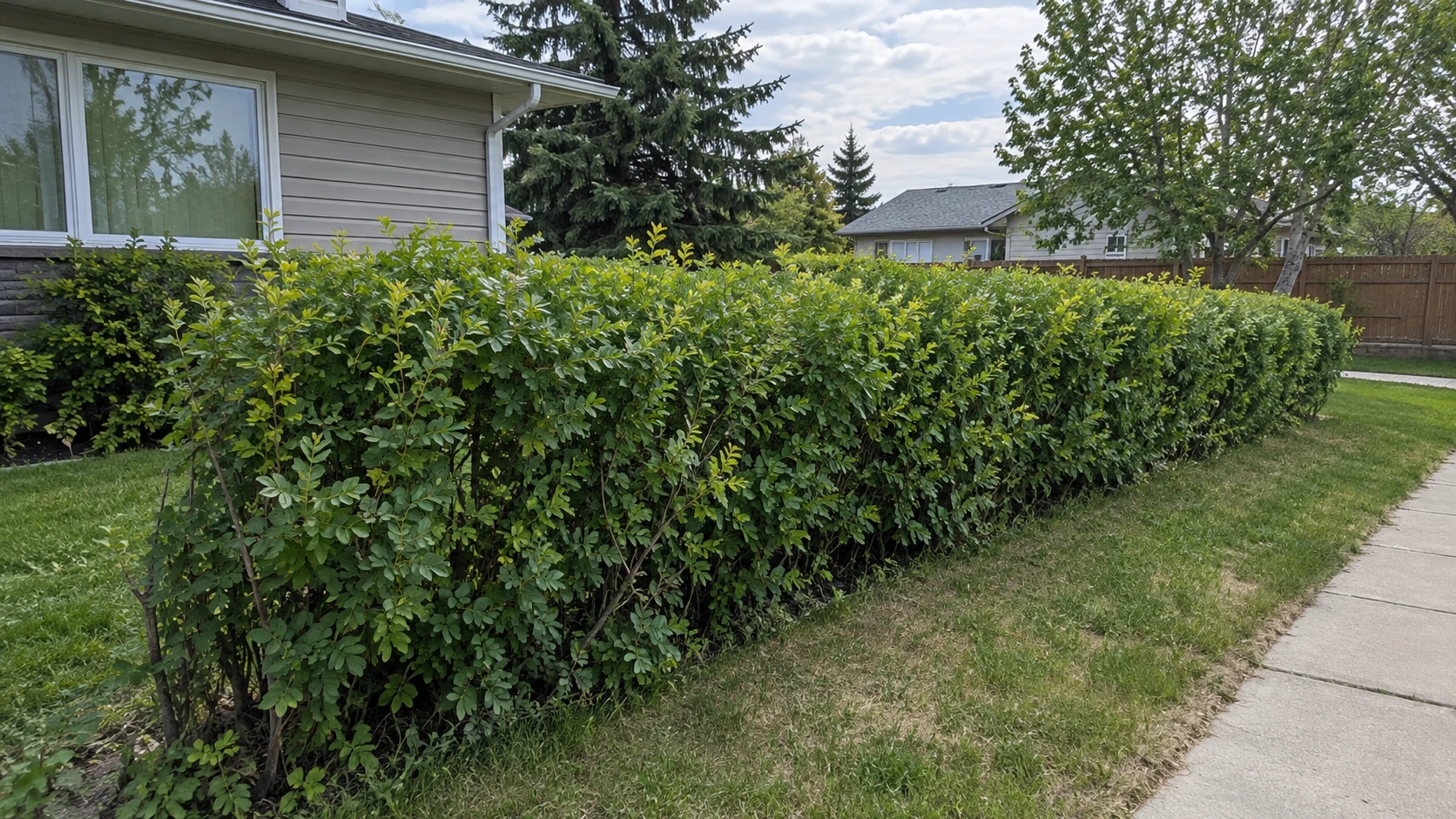
Formal hedges and individual shrubs need different kinds of attention. Tell us the shape you want to keep and the areas that need more room. The visit can then focus on the right work for the planting, rather than treating every shrub as another straight line to cut.
Choose squared, rounded or stepped shapes, including a stepped design along a slope where the planting suits it. We work toward the agreed height and outline while considering the plant and its existing growth.
For individual shrubs, the work can include removing dead or crossing branches and correcting overgrowth. The aim is to bring the planting back into proportion with the surrounding bed and building.
Identify shrubs that are crowding windows, entries or walkways. We can assess the amount of correction needed and include those plants in the agreed trimming scope.
An overgrown hedge can need more than a trim. Size reduction brings suitable growth back toward an agreed height and width. Rejuvenation goes further, cutting suitable shrubs back to encourage a new framework that can be shaped as it grows.
That choice depends on the species, health and existing wood. Caragana and other deciduous hedges need to be assessed for their response; a severe cut suitable for one shrub can leave another permanently bare. We agree on the initial appearance and the care needed as it regrows, rather than promising an instant finished hedge.
Cutting is only part of a trimming visit. Clippings are gathered from the beds and surrounding lawn, loose material is cleared from hard surfaces, and the agreed debris is taken away. You should be able to see the result without a second cleanup job waiting underneath it.
If beds also need substantial weeding or fresh mulch, mention that when requesting the work. Those services can be planned alongside trimming so the whole planted area receives attention.
A one-time visit works for selected hedges, a front-entry refresh or shrubs that have grown beyond the shape you want. A wider visit can cover the property's agreed hedges and foundation planting together.
For ongoing care, discuss repeat trimming as part of a landscape plan. The appropriate schedule depends on the plants, their condition and the intended appearance. Point out any flowering plants or particular concerns when we assess the job.
Plant type, flowering habit, current shape and previous cuts all matter. The objective may be appearance, clearance or selective correction.
Identify the height, width and access needed. Severe reduction and routine maintenance trimming do not produce the same result.
Shape the agreed hedge or selectively remove suitable growth. Avoid treating every woody plant as a surface to shear flat.
Gather the resulting cut material and tidy the ground and paved areas around the plants.
Flowering time and where buds form can affect suitable pruning timing. Mention plants you want handled for a particular display.
Move furniture, ornaments and portable obstacles away from the plants where possible.
Ask for the size and clearance you want, while allowing for the plant’s condition and realistic recovery.
Length, height and density of growth affect the amount of cutting and collected material.
Fences, walls, slopes and restricted working space change the work required.
A light maintenance cut and heavier corrective work should be specified separately.
The cut material needs collecting and removal as part of the agreed visit.
USask places lilac pruning in its early-summer calendar. Plant identity, flowering stage and current conditions matter when planning shrub work.
USask: Garden timelineNo. The service also covers informal shrubs, ornamental bushes and foundation planting. Describe what needs attention so the right work can be included.
That depends on the plants and how you want them maintained. We can discuss a single corrective visit or repeat attention through the growing season.
Clipping cleanup and removal are part of our trimming service. The quote should identify the plants being worked on and any additional landscape cleanup requested.
For suitable plants, rejuvenation can be an option. We first assess the species and condition, because not every hedge regrows well from old wood. A severe reset changes its appearance while it recovers; routine trimming can then maintain the new shape.