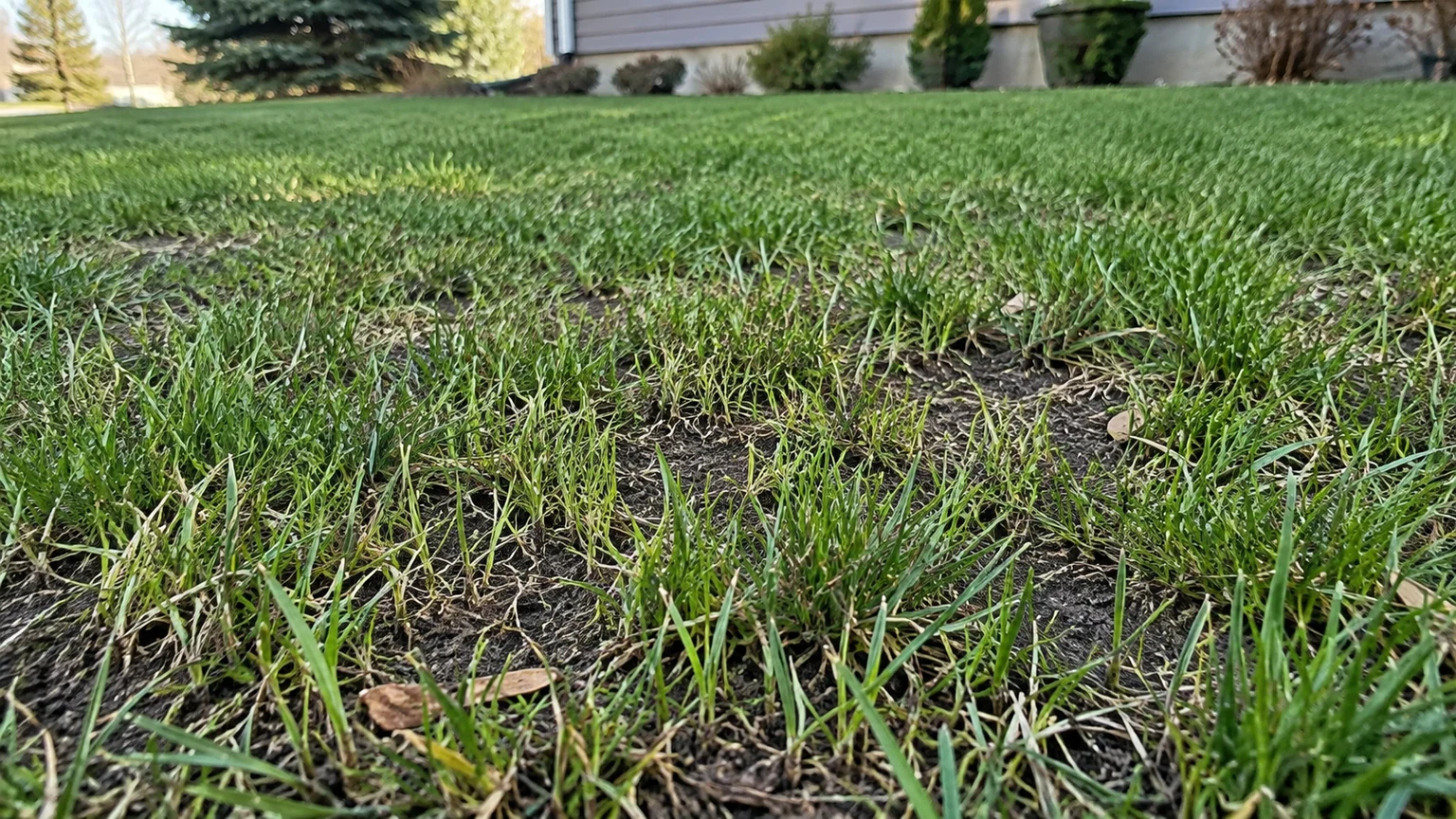
Look at the damaged area
Identify the pattern and extent of the patches before choosing the repair. Worn routes, shade and dry ground can exist alongside pet-related damage.
 THEGROUNDSKEEPERS
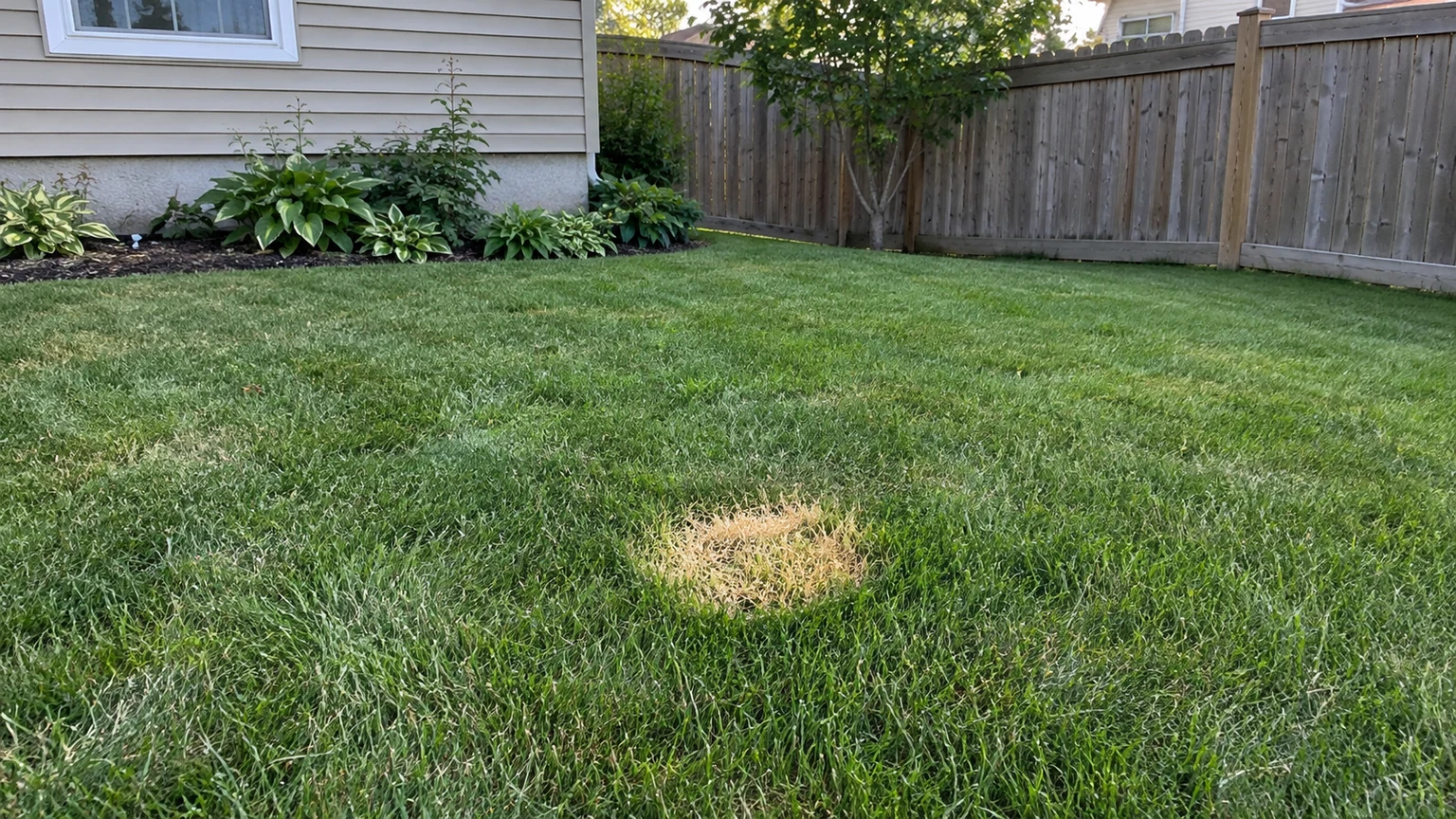
Prince Albert, Saskatchewan · The Groundskeepers
Brown patches and worn areas can make an otherwise maintained yard look uneven. Pet-related lawn repair looks at the damaged turf, the condition underneath it and how the area is used, then brings together the work needed to help grass establish again.
The Groundskeepers approach
Understand the property before choosing the service.
The right scope follows the condition, access and intended outcome.
Pet urine lawn repair · The work
Dog waste pickup removes what is sitting on the lawn. Urine damage concerns the grass and the area where it needs to regrow. The two services can be arranged together, but waste collection by itself does not restore dead turf.
Repeated use of the same spot also matters. Repair needs to account for how the yard will continue to be used, not just how it looks on the day of the visit. A few isolated marks and widespread damage may call for different amounts of work.
Identify the pattern and extent of the patches before choosing the repair. Worn routes, shade and dry ground can exist alongside pet-related damage.
Repair can involve clearing failed grass, preparing the affected surface and introducing seed. The work depends on the condition of each area.
A repaired patch needs suitable moisture and less disturbance while new grass establishes. Continued use of the same spot can work against recovery.
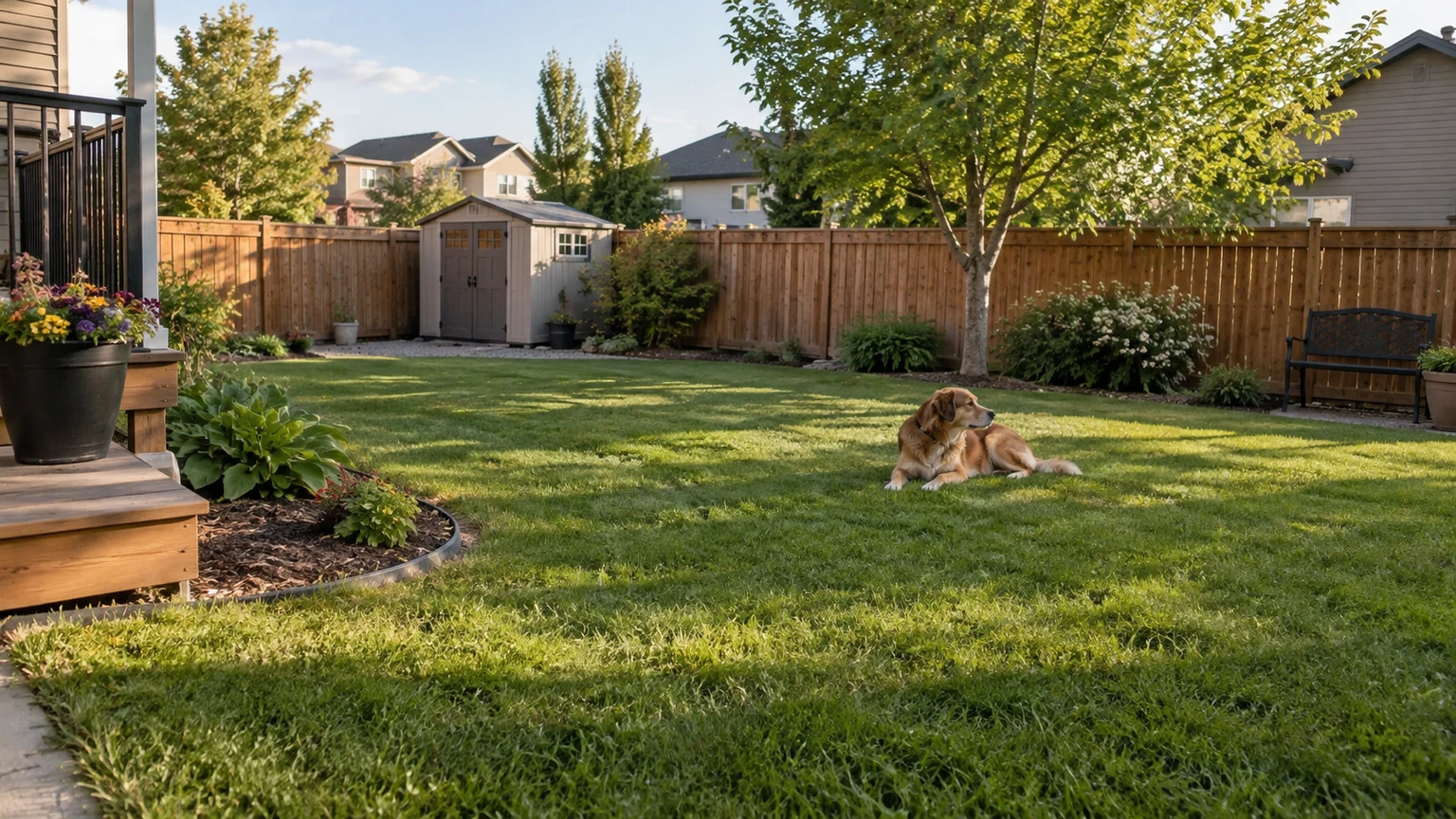
Look at the whole property
Collection removes deposits but does not replace dead grass. Treat cleanup as its own service.
See yard cleanupFrom the first pass to the finish
The property’s condition, access and the work you choose shape the visit.
Look at the affected areas and ongoing use of the lawn. Brown patches have several possible causes, so location and history matter.
Remove dead material where required and prepare the surface for the chosen repair.
Use the agreed treatment and seed work for the area. A universal soil correction should not be assumed without a reason.
Watering, reduced wear and continued pet activity affect establishment after the visit.
Start with what needs doing
Different conditions call for different work. Use the comparison to decide where to start and what to explore next.
| What you’re seeing | What to consider | Explore the service |
|---|---|---|
| The yard needs waste pickup | Collection removes deposits but does not replace dead grass. Treat cleanup as its own service. | See yard cleanup |
| Thin areas extend well beyond a few pet spots | A broader aeration or overseeding approach may be worth reviewing for the lawn as a whole. | Compare whole-lawn care |
| You want ongoing care after the patch repair | A regular maintenance plan can help manage the established lawn around the repaired areas. | Explore ongoing care |
The details make the difference
Practical details for choosing pet urine lawn repair in Prince Albert and the surrounding service area.
View local coverageThe first step is identifying the affected areas and their condition. Similar-looking patches can have different contributing problems, so the repair should follow what is found on the property.
Look at the location, extent and pattern of the damage. Check the turf and soil conditions, including repeated traffic or use that could affect new growth.
Remove dead material where required and prepare the affected soil. Any treatment should respond to the assessment rather than assuming every patch needs the same correction.
Apply seed to the prepared areas so it has contact with the soil. Targeted work can address individual spots, while wider damage may need a broader approach.
New grass needs suitable growing conditions and continued moisture. The way the area is used during establishment is part of the recovery, especially where a dog repeatedly returns to the same place.
Watering, regular mowing and appropriate feeding can support the wider lawn around the repair. Ongoing dog waste removal keeps the yard clean while that work progresses, but it cannot promise to stop new urine exposure.
Explore a targeted repair visit, more extensive work across the lawn or repair alongside recurring maintenance. The selected service confirms the areas, included work and property-specific price before you order.
What goes into the price
The size of the job is only part of the picture. These are the property details that help define the work and the price. Explore current local services and pricing in the storefront.
See services & pricingA little preparation. A better visit.
A few details help the crew work through the property and help you get the most from the care you choose.
Request a property visitTell us where the dog repeatedly uses the lawn and whether the patches have changed over time.
New seed needs appropriate moisture; decide how the repaired spots will be cared for after the visit.
Where practical, redirect concentrated pet use away from establishing grass. Repair cannot prevent every future patch.
Prince Albert field notes
Pet activity is one possible cause of damaged grass; USask also identifies salt, snow mould and insect damage. Similar-looking patches can need different work.
Regional guidance: USask: Lawns and Alternatives
Affected areas can be assessed, prepared and reseeded where appropriate. Recovery depends on the condition of the turf and soil, watering, growing weather and how the area is used afterward.
It can if the same areas continue receiving repeated urine exposure or heavy use. Repair helps address the existing damage; it is not a guarantee against future patches.
They are separate types of work. Waste pickup keeps the yard clean, while lawn repair deals with damaged turf. You can explore them together when both are needed.
Yes. Mowing, feeding and broader lawn care can support the property alongside targeted repairs. Choose the work that fits the affected areas and the rest of the lawn.
One property. Connected care.